From the project
TurnKey 19 is getting close: the move to Debian Trixie
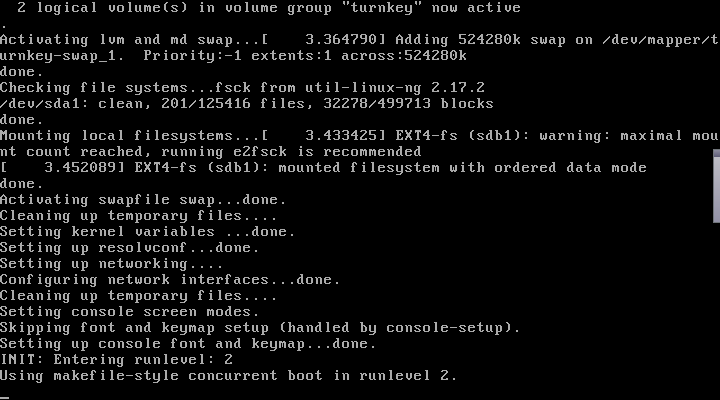
TurnKey 19, based on Debian 13 “Trixie”, is getting close. Development has moved beyond changing a version number. The base system, installer, repository configuration and appliance overlays all have to agree before we can call an image boring enough to release.
Boring is praise here. An installer should not be the most memorable part of setting up a server.
What is changing
The v19 appliance changelogs now track the Debian 13 base and several changes shared across the library.
The new tkl-installer replaces the older di-live installer. Debian package sources move to the Deb822 .sources format. TurnKey signing and APT keys are handled through the newer turnkey-keys work. The base also picks up Trixie package versions, zstd support and changes around services such as fail2ban.
IPv6 support is receiving overdue attention too. That work reaches networking, first-boot configuration and the assumptions individual appliances make about an address. It is exactly the sort of change that looks small until it touches 90 images.
You can follow the details in the appliance repositories. The LAMP changelog is a useful example because it shows the shared base work as well as the stack-specific changes.
Why releases come in batches
Every TurnKey appliance combines Debian packages, application packages, configuration overlays and first-boot hooks. A base image can install correctly while one application still has an obsolete repository key, a renamed package or a setup script that expects old behavior.
So the library does not become v19 in one giant switch. Core infrastructure comes first. Common stacks exercise it. Appliance maintainers fix what the new base exposes, then images are built and tested in the formats people use.
This is slower than changing a badge. It is also how we avoid handing users a pile of similarly branded surprises.
What to do now
Current TurnKey 18 appliances remain the stable choice until their v19 replacements are published. There is no advantage in rebuilding a working server from development artifacts just to get the new number early.
If you want to help, watch the TurnKey Linux repositories on GitHub, test images when calls for testing appear, and report the appliance name, build format and exact failure. Logs beat adjectives.
We will publish release details and download links as the v19 images clear testing. Trixie is close. It still has to earn the boring part.